About Correalism
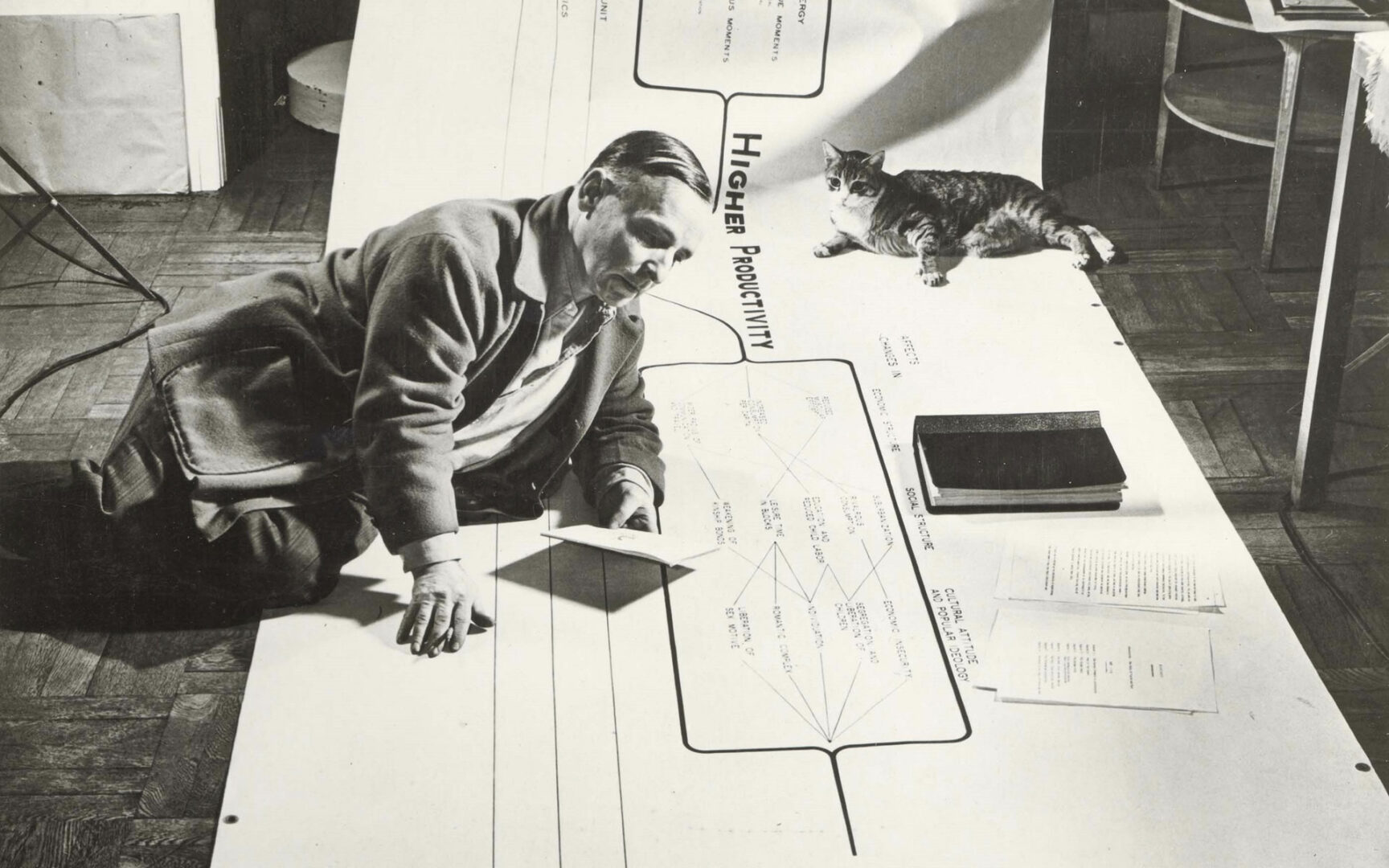
In the 1930s, Frederick Kiesler (1890-1965) developed the theory of Correalism as a transdisciplinary research method in architecture and design. It was based on the latest findings of systems theory, biology and the technical sciences and has called for the combination of empirical scientific research, holistic human-centred design (Correalism) and the practical testing of emergent knowledge (Biotechnique).
Kiesler’s neologism contains the terms co-realism and correlation, referring to the interrelation of three environments: the natural, the human and the technical environment. The human being is at the centre of these interrelations, which Kiesler also refers to as interacting forces. Having published the ground-breaking article “On Correalism and Biotechnique” in 1939, Kiesler’s Correalism- research in the 1940s and 1950s focused on the critique of “pseudo-functionalism” and modernism, which he saw as favouring the “arbitrary separation of architecture into art, technology and economy.”
In the 1930s, Frederick Kiesler (1890-1965) developed the theory of Correalism as a transdisciplinary research method in architecture and design. It was based on the latest findings of systems theory, biology and the technical sciences and has called for the combination of empirical scientific research, holistic human-centred design (Correalism) and the practical testing of emergent knowledge (Biotechnique).
Kiesler’s neologism contains the terms co-realism and correlation, referring to the interrelation of three environments: the natural, the human and the technical environment. The human being is at the centre of these interrelations, which Kiesler also refers to as interacting forces. Having published the ground-breaking article “On Correalism and Biotechnique” in 1939, Kiesler’s Correalism- research in the 1940s and 1950s focused on the critique of “pseudo-functionalism” and modernism, which he saw as favouring the “arbitrary separation of architecture into art, technology and economy.”

Start About
In the 1930s, Frederick Kiesler (1890-1965) developed the theory of Correalism as a transdisciplinary research method in architecture and design. It was based on the latest findings of systems theory, biology and the technical sciences and has called for the combination of empirical scientific research, holistic human-centred design (Correalism) and the practical testing of emergent knowledge (Biotechnique).
Kiesler’s neologism contains the terms co-realism and correlation, referring to the interrelation of three environments: the natural, the human and the technical environment. The human being is at the centre of these interrelations, which Kiesler also refers to as interacting forces. Having published the ground-breaking article “On Correalism and Biotechnique” in 1939, Kiesler’s Correalism- research in the 1940s and 1950s focused on the critique of “pseudo-functionalism” and modernism, which he saw as favouring the “arbitrary separation of architecture into art, technology and economy.”

About New

Headline
lkjölkjölj
About 01
In the 1930s, Frederick Kiesler (1890-1965) developed the theory of Correalism as a transdisciplinary research method in architecture and design. It was based on the latest findings of systems theory, biology and the technical sciences and has called for the combination of empirical scientific research, holistic human-centred design (Correalism) and the practical testing of emergent knowledge (Biotechnique).
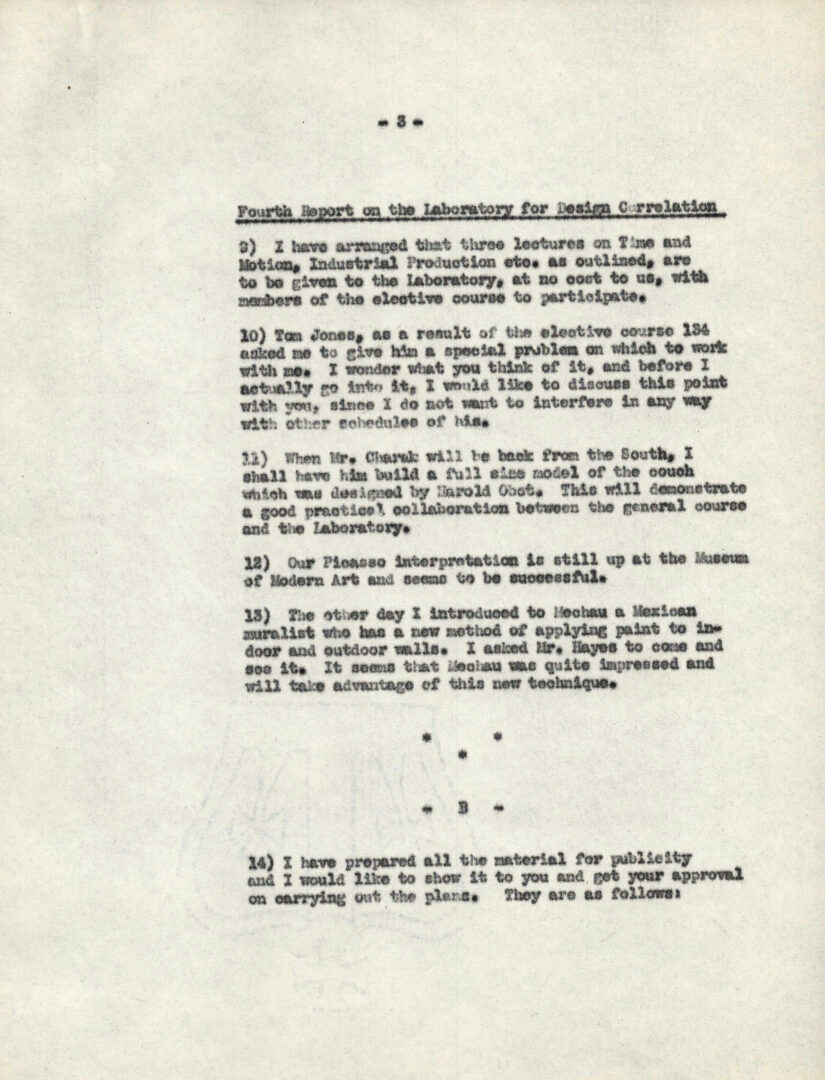
Kiesler’s neologism contains the terms co-realism and correlation, referring to the interrelation of three environments: the natural, the human and the technical environment. The human being is at the centre of these interrelations, which Kiesler also refers to as interacting forces. Having published the ground-breaking article “On Correalism and Biotechnique” in 1939, Kiesler’s Correalism- research in the 1940s and 1950s focused on the critique of “pseudo-functionalism” and modernism, which he saw as favouring the “arbitrary separation of architecture into art, technology and economy.”

About 03
In the 1930s, Frederick Kiesler (1890-1965) developed the theory of Correalism as a transdisciplinary research method in architecture and design. It was based on the latest findings of systems theory, biology and the technical sciences and has called for the combination of empirical scientific research, holistic human-centred design (Correalism) and the practical testing of emergent knowledge (Biotechnique).
Kiesler’s neologism contains the terms co-realism and correlation, referring to the interrelation of three environments: the natural, the human and the technical environment. The human being is at the centre of these interrelations, which Kiesler also refers to as interacting forces. Having published the ground-breaking article “On Correalism and Biotechnique” in 1939, Kiesler’s Correalism- research in the 1940s and 1950s focused on the critique of “pseudo-functionalism” and modernism, which he saw as favouring the “arbitrary separation of architecture into art, technology and economy.”
About Correalism
In the 1930s, Frederick Kiesler (1890-1965) developed the theory of Correalism as a transdisciplinary research method in architecture and design. It was based on the latest findings of systems theory, biology and the technical sciences and has called for the combination of empirical scientific research, holistic human-centred design (Correalism) and the practical testing of emergent knowledge (Biotechnique).
Kiesler’s neologism contains the terms co-realism and correlation, referring to the interrelation of three environments: the natural, the human and the technical environment. The human being is at the centre of these interrelations, which Kiesler also refers to as interacting forces. Having published the ground-breaking article “On Correalism and Biotechnique” in 1939, Kiesler’s Correalism- research in the 1940s and 1950s focused on the critique of “pseudo-functionalism” and modernism, which he saw as favouring the “arbitrary separation of architecture into art, technology and economy.”
In the 1930s, Frederick Kiesler (1890-1965) developed the theory of Correalism as a transdisciplinary research method in architecture and design. It was based on the latest findings of systems theory, biology and the technical sciences and has called for the combination of empirical scientific research, holistic human-centred design (Correalism) and the practical testing of emergent knowledge (Biotechnique).
Kiesler’s neologism contains the terms co-realism and correlation, referring to the interrelation of three environments: the natural, the human and the technical environment. The human being is at the centre of these interrelations, which Kiesler also refers to as interacting forces. Having published the ground-breaking article “On Correalism and Biotechnique” in 1939, Kiesler’s Correalism- research in the 1940s and 1950s focused on the critique of “pseudo-functionalism” and modernism, which he saw as favouring the “arbitrary separation of architecture into art, technology and economy.”
Start About
In the 1930s, Frederick Kiesler (1890-1965) developed the theory of Correalism as a transdisciplinary research method in architecture and design. It was based on the latest findings of systems theory, biology and the technical sciences and has called for the combination of empirical scientific research, holistic human-centred design (Correalism) and the practical testing of emergent knowledge (Biotechnique).
Kiesler’s neologism contains the terms co-realism and correlation, referring to the interrelation of three environments: the natural, the human and the technical environment. The human being is at the centre of these interrelations, which Kiesler also refers to as interacting forces. Having published the ground-breaking article “On Correalism and Biotechnique” in 1939, Kiesler’s Correalism- research in the 1940s and 1950s focused on the critique of “pseudo-functionalism” and modernism, which he saw as favouring the “arbitrary separation of architecture into art, technology and economy.”
About New
Headline
lkjölkjöljAbout 01
In the 1930s, Frederick Kiesler (1890-1965) developed the theory of Correalism as a transdisciplinary research method in architecture and design. It was based on the latest findings of systems theory, biology and the technical sciences and has called for the combination of empirical scientific research, holistic human-centred design (Correalism) and the practical testing of emergent knowledge (Biotechnique).
Kiesler’s neologism contains the terms co-realism and correlation, referring to the interrelation of three environments: the natural, the human and the technical environment. The human being is at the centre of these interrelations, which Kiesler also refers to as interacting forces. Having published the ground-breaking article “On Correalism and Biotechnique” in 1939, Kiesler’s Correalism- research in the 1940s and 1950s focused on the critique of “pseudo-functionalism” and modernism, which he saw as favouring the “arbitrary separation of architecture into art, technology and economy.”
About 03
In the 1930s, Frederick Kiesler (1890-1965) developed the theory of Correalism as a transdisciplinary research method in architecture and design. It was based on the latest findings of systems theory, biology and the technical sciences and has called for the combination of empirical scientific research, holistic human-centred design (Correalism) and the practical testing of emergent knowledge (Biotechnique).
Kiesler’s neologism contains the terms co-realism and correlation, referring to the interrelation of three environments: the natural, the human and the technical environment. The human being is at the centre of these interrelations, which Kiesler also refers to as interacting forces. Having published the ground-breaking article “On Correalism and Biotechnique” in 1939, Kiesler’s Correalism- research in the 1940s and 1950s focused on the critique of “pseudo-functionalism” and modernism, which he saw as favouring the “arbitrary separation of architecture into art, technology and economy.”